Carla Toscano Slams Vox Expulsion: "Unjust and Illegal Orders"
The political landscape of Madrid's City Council has been rocked by fresh turmoil within Vox, as the party's national leadership, spearheaded by Secretary General Ignacio Garriga, moved to suspend and initiate expulsion proceedings against two more prominent figures: Carla Toscano, deputy spokesperson, and Ignacio Ansaldo, a founding member. This decision intensifies an already volatile internal crisis, particularly following the recent removal of Javier Ortega Smith, the party's previous leader in the capital. Carla Toscano has not minced words in her response, vehemently describing her expulsion as a consequence of refusing to comply with what she termed "unjust and illegal orders," throwing a harsh spotlight on the ethical compass and internal democracy of the conservative party. The unfolding saga involves a complex web of loyalty, conscience, and power struggles, with significant implications for the future of Vox in Madrid and its national image.
The Core of the Controversy: "Unjust and Illegal Orders"
Carla Toscano's defiant stance against her suspension from Vox is rooted in a profound ethical dilemma. In a powerful message shared on social media, Toscano articulated that her expulsion stemmed from her refusal to support the "unjust and illegal" removal of her colleague, Javier Ortega Smith, as the group's municipal spokesperson. She explicitly stated, "I have been suspended and disqualified for not accepting an impossible situation: supporting the unjust and illegal dismissal of my colleague as spokesperson of the Vox Municipal Group in the Madrid City Council." This statement cuts to the heart of a debate that transcends party politics, touching upon fundamental principles of loyalty, conscience, and adherence to democratic norms within political organizations.
Toscano's refusal to "acatar instrucciones que rompen con las normas y el funcionamiento democrático" (obey instructions that break with norms and democratic functioning) is a direct challenge to the party's executive. She argues that these directives not only contravene established rules but also arbitrarily target an "innocent person who has given their all for the party." Her position highlights a critical tension: the expectation of party discipline versus an individual's moral obligation to uphold justice and democratic principles. For Toscano, betraying her conscience for the sake of maintaining her position would render her unworthy of self-respect and deserving of "general contempt." This principled stand invites a broader societal reflection on the kind of politicians citizens truly desire: those who blindly follow orders, even if unjust or illegal, or those who prioritize conscience, loyalty, and democratic rules, even at the cost of their careers. Her bold words undoubtedly resonate beyond party lines, prompting introspection on political ethics.
A Cascade of Expulsions: Toscano, Ansaldo, and Ortega Smith
The suspension of Carla Toscano and Ignacio Ansaldo marks a significant escalation in the internal strife plaguing Vox's Madrid municipal group. This latest development follows closely on the heels of the controversial expulsion of Javier Ortega Smith, who until recently served as the party's spokesperson in the capital. The sequence of events paints a picture of a party grappling with profound internal divisions.
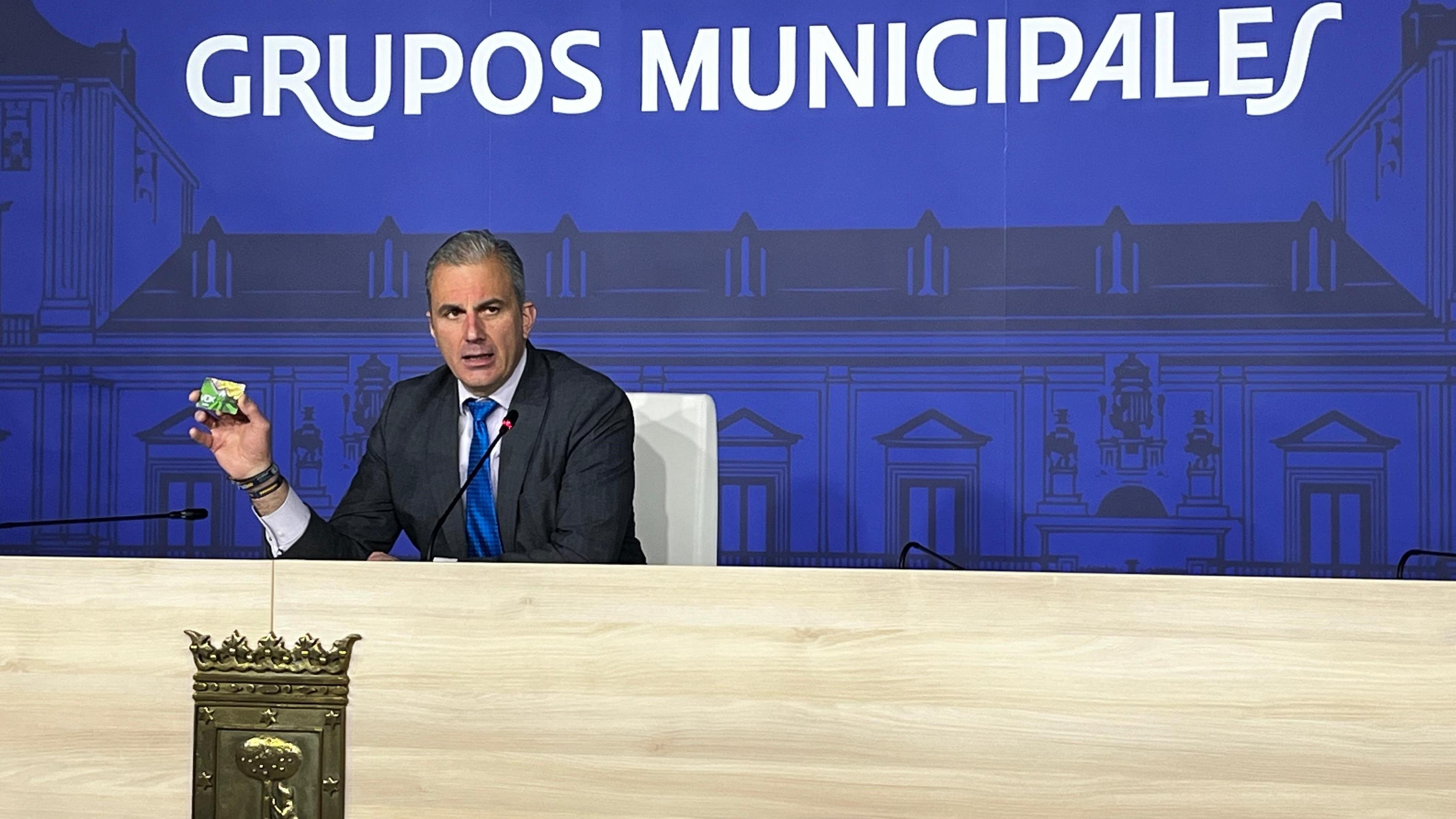
Ignacio Ansaldo's involvement adds another layer of intrigue to the crisis. Ansaldo is not just any councilor; he holds the coveted affiliate card number 001, signifying his status as a co-founder of Vox. Similarly, Ortega Smith himself holds card number 006. This detail, highlighted by Ortega Smith in a recent press conference, serves to debunk suggestions that he was not among the party's initial architects. The expulsion of such foundational figures underscores the deep ideological or power-based rifts that have developed within the party's upper echelons. It suggests a move by the current leadership to consolidate power or quash dissenting voices, even if those voices belong to individuals instrumental in the party's very creation.
The communication regarding these expulsions came directly from Ignacio Garriga, Vox's Secretary General, in a written notice to the Madrid City Council. This procedural consistency, mirroring the earlier communication regarding Ortega Smith, indicates a centralized and deliberate strategy by the party's national executive. For the group of
Vox councilors who have been expelled, the road ahead is fraught with uncertainty, both for their political careers and for the stability of Vox's representation in Madrid. The crisis has left the municipal group in disarray, prompting questions about its leadership structure and ability to function effectively. The ongoing dispute concerning the status of these
Vox's Internal Battle: Founders Expelled in Madrid Fallout suggests a significant power struggle at play.
Vox's Internal Dynamics Under Scrutiny
The expulsions within Vox's Madrid group bring the party's internal dynamics under an intense public microscope. Such a decisive move against founding members and a prominent spokesperson raises critical questions about the party's commitment to internal democracy, its tolerance for dissent, and the leadership style of Santiago Abascal's executive. When long-standing figures like Ansaldo and Ortega Smith, who were integral to the party's foundation and growth, are cast aside, it suggests a broader ideological realignment or a ruthless crackdown on perceived insubordination.
One analytical perspective posits that these expulsions might be an attempt by the current leadership to assert tighter control and streamline the party's messaging, particularly in a high-profile arena like the Madrid City Council. Internal factionalism, often latent in political parties, appears to have boiled over, forcing the executive's hand. From another viewpoint, it could be seen as a purge, aimed at removing individuals who no longer align with the evolving strategic direction of the party or who challenge the authority of the central command.
For any political organization, internal conflicts of this magnitude can severely impact its public image and operational effectiveness. Voters often perceive disunity as a sign of weakness or instability, potentially eroding trust and support. For Vox, a party that has built its brand on strong, unified leadership and a clear ideological stance, these public spats risk undermining its carefully cultivated image.
**Tips for Understanding Internal Party Conflicts:**
* **Look for patterns:** Are these isolated incidents or part of a broader trend of expulsions or resignations?
* **Identify key players:** Who benefits from the expulsions? What are the stated and unstated motivations of the leadership?
* **Observe public reaction:** How is the party's base reacting? Does it create sympathy for the expelled or validate the party's actions?
* **Consider the timing:** Do the expulsions coincide with elections, policy debates, or shifts in public opinion?
These events also invite speculation on the internal power structures within Vox. Is the party becoming more centralized and less tolerant of individualistic approaches, even from its most senior members? The very public nature of these expulsions suggests a leadership willing to make difficult and potentially controversial decisions to enforce its will, regardless of the potential fallout from veteran figures or a segment of its membership. The fallout will undoubtedly test the party's resilience and its ability to maintain a coherent narrative in the face of such public discord.
The Legal and Ethical Battle Ahead
The controversy surrounding the
concejales Vox expulsados is poised to extend beyond internal party deliberations, potentially escalating into a legal and ethical battle. Javier Ortega Smith has already indicated his resolve to fight his expulsion, not just within the party's internal mechanisms but also through ordinary justice – a path that suggests a full-fledged legal challenge. This move could set a precedent for future internal disputes within Vox and other Spanish political parties, as it would subject party statutes and the application of internal disciplinary measures to judicial scrutiny.
From a legal standpoint, political parties, while private associations, are subject to laws that ensure fundamental rights, including due process and freedom of association. Ortega Smith's potential lawsuit would likely focus on whether the expulsion process adhered to Vox's own internal statutes and whether his rights as a member were violated. Allegations of "invented lies," a "dirty war," and "repugnant defamation" made by Ortega Smith, if substantiated, could form the basis of a strong legal case, challenging the very legitimacy of the expulsion.
Ethically, Carla Toscano's powerful statement introduces a moral dimension to the conflict that transcends legalities. Her refusal to comply with "unjust and illegal orders" highlights the perennial tension between party loyalty and individual conscience. This raises fundamental questions about the ethical responsibilities of politicians:
* **Loyalty vs. Principle:** To what extent should a politician prioritize loyalty to their party over their personal ethical convictions or perceived democratic principles?
* **Conscience as a Guide:** Can a party legitimately demand actions from its members that violate their conscience, especially if those actions are deemed "unjust" or "illegal"?
* **Democratic Accountability:** What recourse do individual politicians have when they believe their party's leadership is undermining democratic norms or targeting innocent individuals?
**Practical Considerations for Political Parties:**
* **Clear Statutes:** Parties must have transparent, clearly defined statutes for membership, disciplinary actions, and appeals processes to avoid legal challenges.
* **Due Process:** Ensuring fair hearings, the right to respond to accusations, and opportunities for appeal is crucial for legitimacy.
* **Ethical Leadership:** Leadership must consider the long-term ethical implications of their decisions, not just short-term political gains.
* **Conflict Resolution:** Establishing robust internal conflict resolution mechanisms can help prevent disputes from spilling into the public domain or the courts.
The outcome of this dual battle – legal and ethical – will not only determine the political fate of the individuals involved but also contribute to shaping the future character of Vox. It will define how the party is perceived in terms of its internal democracy, its respect for dissenting voices, and its adherence to principles that extend beyond mere power consolidation.
Conclusion
The recent expulsions of Carla Toscano and Ignacio Ansaldo, following that of Javier Ortega Smith, signify a deepening and highly contentious crisis within Vox's Madrid City Council group. Carla Toscano's forthright denunciation of her removal, citing "unjust and illegal orders" and a refusal to compromise her conscience, has ignited a fierce debate on political ethics, loyalty, and internal party democracy. This episode, involving founding members and prominent figures, highlights the profound internal divisions and power struggles within the party. As Ortega Smith prepares for potential legal action, and the municipal group navigates its fractured landscape, the long-term repercussions for Vox's unity, public image, and its future in Spanish politics remain uncertain. The unfolding drama serves as a potent reminder of the complex interplay between personal conviction, party discipline, and the fundamental principles that underpin democratic governance.